Farmers
Knowledge, peer exchange, advisory, market access, and pilot projects for real transitions.
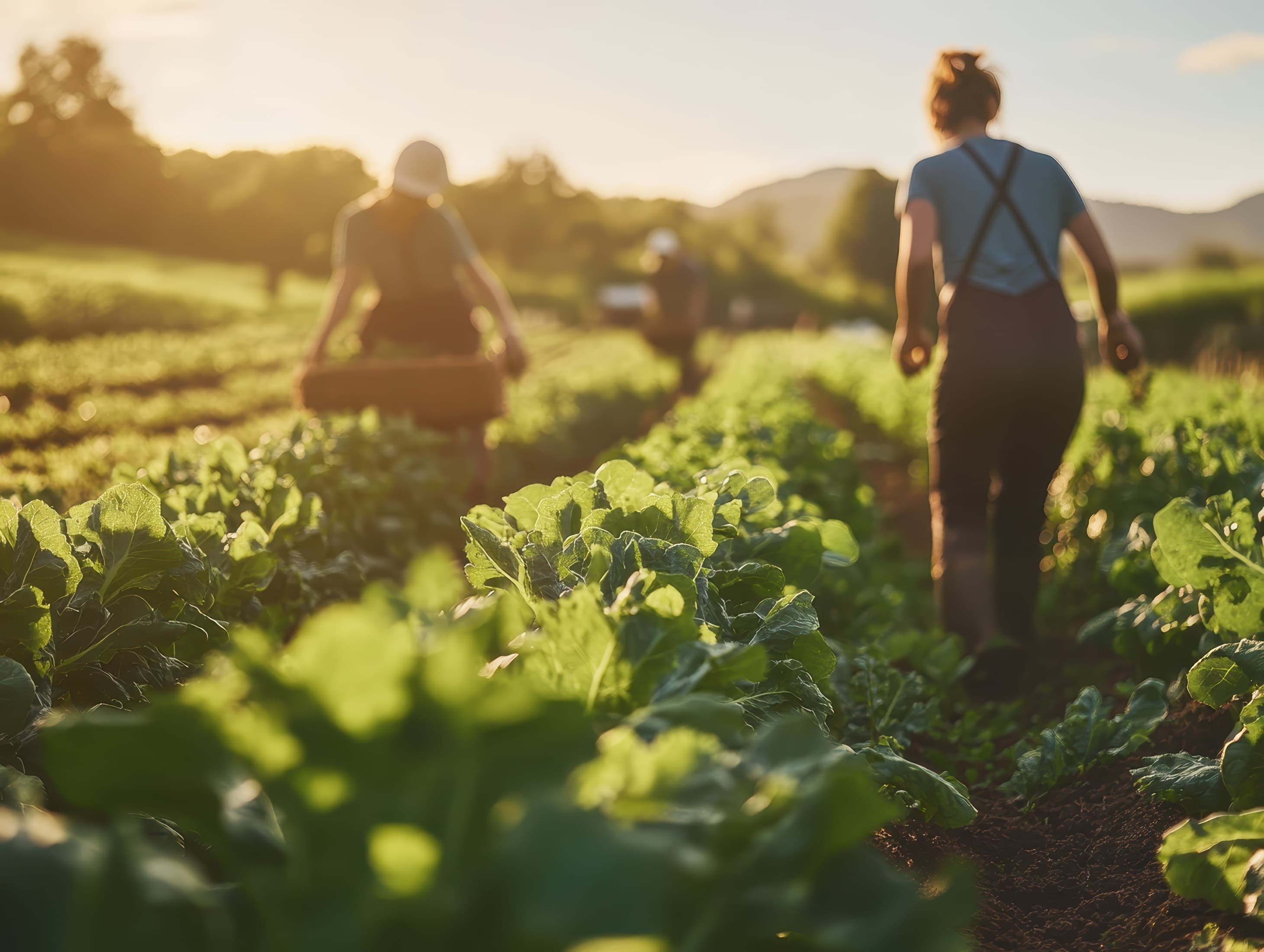
A hub is a regional/local network that gathers together the relevant stakeholders involved in the agrifood system.
It serves as a focal point for gathering, sharing, and applying organic farming knowledge and practices tailored to the regional characteristics and needs.
It connects local stakeholders to collaboratively transition to a healthier, organic, fairer and more resilient food system.
Select your profile to discover how a Regional Knowledge Hub supports your specific needs.
Regional hubs represent an opportunity to transform the agri-food system in a region.
At OH FINE, we are convinced that regional hubs represent an opportunity to transform the agri-food system in a region. Creating a regional hub centralizes knowledge and best organic practices, facilitates the transition to sustainable and profitable methods, strengthens the local economy through quality products and short marketing channels, promotes applied innovation in the territory, raises public awareness, and enables the coordination of public policies — thus fostering a healthier, fairer, and more resilient agri-food system.
At OH FINE, we have established five regional organic agriculture hubs. This has involved identifying and mobilizing local stakeholders — farmers, retailers, consumers, public authorities, researchers, and advisors — establishing a shared vision, organizing training, innovation, and networking activities, and creating permanent channels for communication and collaboration.
The strategy we have followed at OH-FINE aims to generate continuous value for members, promote cooperation, strengthen local knowledge, and ensure that the hub remains a driving force for the transition to organic agriculture, facilitating the adoption of ecological practices, innovation in production, and the consolidation of a more efficient and competitive regional agri-food system.
Map the organic farming landscape, key actors, and gaps in your territory.
Assemble a consortium of advisory, research, certification, and producer organisations.
Define the advisory, training, and knowledge-sharing activities that fit regional demand.
Link with existing hubs for cross-border exchange, shared resources, and visibility.
Discover tools, resources, and services available in your region.
Knowledge, peer exchange, advisory, market access, and pilot projects for real transitions.
Local suppliers, differentiation, and more stable quality-focused supply chains.
Policy implementation support, stakeholder dialogue, and rural development alignment.
Real-world case studies, transfer channels, and collaborative innovation environments.
Updated tools, shared methodologies, and increased professional visibility.
Access to quality organic food, transparency, local economy, and community resilience.
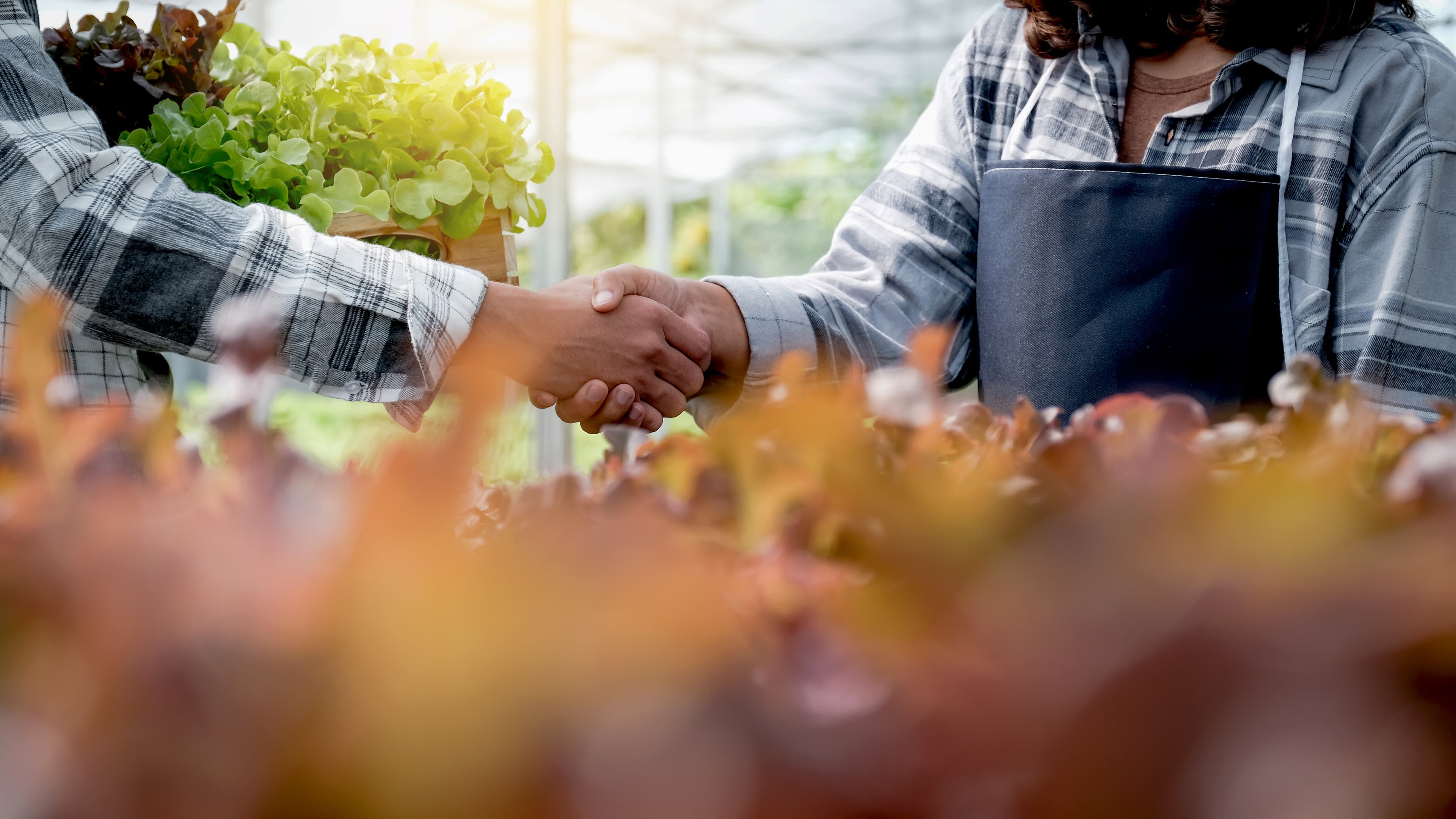
Connect with your nearest hub. Access advisory, training, local networks, and conversion support.